How to extend the life of auto parts is not about finding one miracle product. It is about repeating small, correct actions before damage becomes visible. Clean engine oil protects bearings, while correct tire pressure reduces stress on suspension parts. A dry battery terminal, a loose belt, or a neglected air filter can quietly shorten a vehicle’s service life. These details are easy to overlook.
Automotive maintenance expert John Nielsen has offered a practical reminder: “Preventive maintenance is the best way to avoid expensive repairs.” That principle shapes these top 10 tips. The guide will examine fluid changes, brake inspections, filter replacement, tire care, battery maintenance, proper torque, rust prevention, gentle driving, warning lights, and reliable service records. Each point connects daily habits with specific parts beneath the hood and under the vehicle.
Small actions matter.
A visual inspection can reveal cracked rubber, leaking fluid, uneven wear, or corrosion around a fastener. However, no checklist is flawless. Owners can still miss internal damage, especially when a car seems to drive normally. Manufacturer schedules should guide service intervals, while qualified technicians should handle complex diagnostics and safety-critical repairs. Cheap replacement parts may also create false savings when poor materials fail early. The goal is not to maintain every component forever. That is impossible. The goal is to reduce avoidable wear, notice problems earlier, and make informed repairs before a minor defect becomes an expensive breakdown.
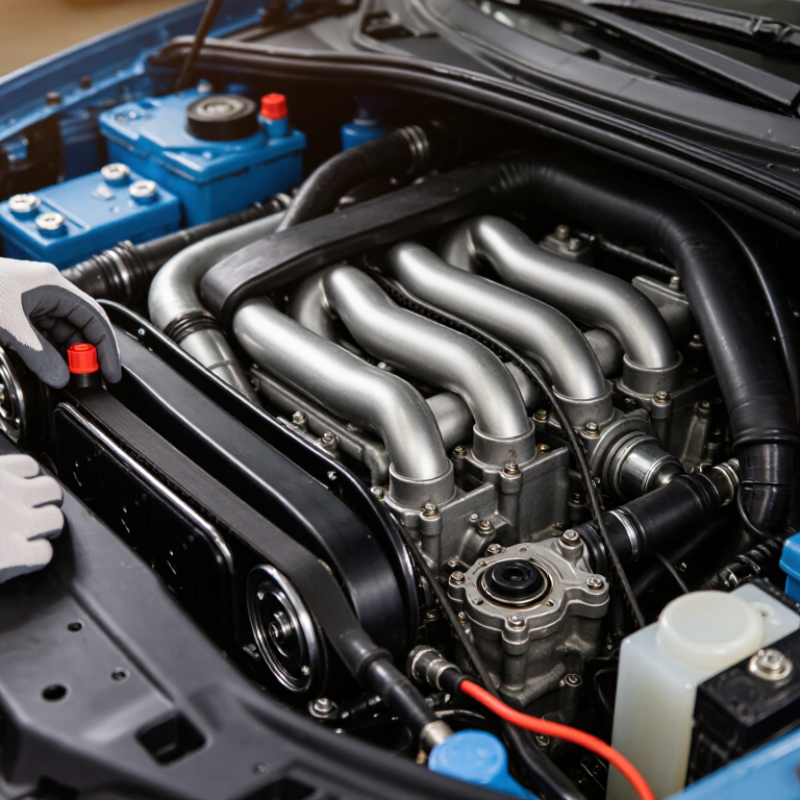
Auto parts rarely fail without warning. Heat, friction, moisture, vibration, poor alignment, and neglected fluids gradually weaken them. Brake pads may last 30,000 to 70,000 miles, but traffic and driving habits change that range. The U.S. Department of Transportation reports that the average vehicle on American roads is now over 12 years old. Older vehicles need closer inspections, not guesswork.
Tires show this clearly. The National Highway Traffic Safety Administration estimates that tire-related problems cause about 11,000 crashes each year. Underinflation increases heat and rolling resistance, while uneven alignment wears tread from one edge. Check pressure monthly, inspect cracks, and rotate tires according to the service schedule. Small checks matter.
Fluids protect parts quietly. Dirty engine oil accelerates wear, while contaminated brake fluid can reduce braking performance. Replace filters and fluids at the intervals recommended in the owner’s manual. Belts and hoses also deserve attention; look for glazing, swelling, frayed edges, or tiny cracks. A workshop inspection can find looseness before a bearing becomes noisy. Mileage is only half the story.
I once treated a service interval as a promise, not a warning, and paid for that mistake later.
Parts age even when the vehicle sits. Storage heat, humidity, and battery discharge still create damage. Keep records, respond to unusual sounds, and question any estimate based only on average lifespan.
A preventive inspection schedule protects auto parts before small faults become expensive failures. I check tire pressure monthly, including the spare, as recommended by the National Highway Traffic Safety Administration. Cold tires give the most reliable reading. I also inspect tread depth, sidewall cracks, uneven wear, and embedded stones. The U.S. Department of Energy reports that properly inflated tires can improve fuel economy by up to 3%. That makes a pressure gauge a practical maintenance tool.
Every three months, inspect engine oil, coolant, brake fluid, belts, hoses, wiper blades, and battery terminals. Follow the vehicle’s maintenance manual, because service intervals vary with mileage, climate, and driving conditions. During each oil service, a technician should check leaks and scan warning systems. The Car Care Council identifies neglected maintenance as a major cause of preventable repair problems. Small checks matter.
Do not ignore unusual sounds.
A clicking start may indicate battery trouble. A soft brake pedal needs prompt inspection, not guesswork. I once delayed replacing a cracked hose because the leak looked minor. It was not. That mistake reinforced a useful rule: record every inspection, photograph damaged parts, and schedule repairs by risk, not convenience. Some recommendations may need adjustment after harsh winters, dusty roads, towing, or frequent short trips. A perfect schedule is unlikely. A consistent one is far better.
How to Extend the Life of Auto Parts: Top 10 Tips
Tips: Use the exact fluids listed in your owner’s manual. Engine oil, coolant, brake fluid, and transmission fluid have different chemical requirements. Mixing them can damage seals or reduce braking performance. The U.S. Department of Energy reports that correct tire inflation can improve fuel economy by up to 3%. Check pressure when tires are cold, using a reliable gauge. Small pressure losses matter.
Tips: Choose replacement parts by vehicle specification, not appearance or price alone. Confirm the correct part number, material, and service rating. A torque wrench prevents stripped threads and loose fasteners. Use jack stands, not only a hydraulic jack. I have seen rushed repairs fail because one bolt felt “tight enough.” That judgment is unreliable. Replace damaged tools and inspect connectors before installation.
Tips: Gentle driving protects brakes, suspension, tires, and the transmission. Avoid repeated hard acceleration, sudden braking, deep potholes, and carrying unnecessary weight. Let the engine reach normal temperature before demanding heavy power, especially in cold weather. Keep tire tread and alignment under observation. NHTSA’s 2021 Traffic Safety Facts recorded 622 deaths in tire-related crashes. AAA’s 2023 Your Driving Costs report estimated maintenance, repair, and tire expenses at 9.68 cents per mile. These figures make preventive checks practical, not excessive. Still, maintenance schedules are not perfect for every driver; towing, short trips, dust, and extreme temperatures require earlier inspections.
These typical preventive-maintenance intervals show how often key checks or replacements are commonly performed. Actual schedules vary by vehicle, climate, load, driving conditions, and the owner's manual. Using the correct fluids, quality replacement parts, suitable tools, and smooth driving habits can help reduce premature wear.
Cleaning is not cosmetic; it removes abrasive grit, salt, and moisture that shorten component life. After driving on salted roads, rinse wheel arches, suspension joints, and brake shields with clean water. Use a pH-neutral cleaner and a soft brush around rubber boots. Avoid blasting high-pressure water directly into bearings or electrical connectors. The U.S. Department of Energy reports that fuel economy can fall by about 0.2% for every 1 psi of tire underinflation. Check pressure when tires are cold. Use the vehicle placard, not the maximum pressure molded into the sidewall.
Protection requires restraint. Apply a suitable rubber conditioner to weather seals, but keep oil and silicone products away from brake discs, pads, and tire tread. Waxed paint sheds contaminants more easily, while an anti-corrosion coating helps exposed metal fasteners. Inspect underneath with a flashlight. I still miss the underside of a control arm sometimes. That small oversight can become expensive rust.
Storage conditions matter as much as cleaning. A cool, dry, ventilated garage is better than a damp, sealed shed. Keep the vehicle away from fertilizer, solvents, and leaking pipes. Inflate tires to the recommended setting, release the parking brake when safe, and use approved supports for extended storage. NHTSA guidance recommends checking tire pressure monthly and before long trips. A breathable cover prevents dust without trapping condensation. Do not seal a wet vehicle. Drying takes longer than expected.
Aging auto parts rarely fail without clues. A soft brake pedal, steering pull, new vibration, or fluid spot deserves attention. A burning smell after driving is not “just an old-car smell.” It may signal overheating, worn brakes, or leaking fluid. NHTSA reports that tire-related problems contribute to thousands of crashes each year, so inspect tread, sidewalls, and pressure monthly. Replace a tire with deep cracks, exposed cords, or repeated pressure loss.
Tips: Record the symptom, mileage, temperature, and driving conditions. This small habit helps a technician diagnose the real cause. Do not rely on dashboard lights alone. AAA’s 2023 Your Driving Costs report estimated maintenance, repair, and tire expenses at 9.83 cents per mile for new vehicles. Delayed repairs can therefore become expensive, especially when one worn part damages another. I have found that a short inspection often prevents a much longer repair, although diagnosis is not always obvious.
Replace parts safely and match the vehicle’s required specifications. Park on level ground, use wheel chocks, and support the vehicle with rated stands. Never work under a car held only by a jack. Let hot components cool first. Follow the service manual’s torque values, fluid requirements, and installation sequence. After replacement, test brakes and steering at low speed in a clear area. If warning lights remain, stop driving and seek a qualified technician. NHTSA’s recall database can also confirm unresolved safety campaigns by vehicle identification number. Mistakes happen, even with careful work. That is why a second inspection is worth the time.
| No. | Auto Part or System | Early Warning Signs | Safe Replacement or Maintenance Action | Life-Extension Tip | Replacement Guidance |
|---|---|---|---|---|---|
| 1 | Engine Oil and Filter | Dark or gritty oil, a low oil level, ticking noises, an oil-pressure warning light, or increased oil consumption. | Check the level on a level surface, use the vehicle-approved oil specification, replace the filter, and repair leaks. Do not drive if the oil-pressure warning light remains on. | Check the level regularly and follow the vehicle owner's service schedule, especially under severe driving conditions. | Replace according to the owner's manual or maintenance monitor; do not rely only on oil color. |
| 2 | Engine Air Filter | A visibly clogged filter, reduced acceleration, poor fuel economy, or a dusty filter housing. | Inspect the filter in a clean area, install it in the correct direction, and make sure the housing is sealed before driving. | Inspect more often in dusty environments and avoid running the engine with the filter removed. | Replace when contaminated, damaged, or at the interval specified by the manufacturer. |
| 3 | Brake Pads and Rotors | Squealing, grinding, vibration during braking, pulling to one side, a soft pedal, or a brake warning light. | Have the braking system inspected promptly. Replace pads as an axle set when required and measure rotors against their minimum thickness specification. | Avoid unnecessary hard braking, keep wheels clean, and never ignore changes in pedal feel. | Replace based on measured thickness, wear indicators, damage, and brake-system inspection results. |
| 4 | Tires | Low tread, uneven wear, cracks, bulges, repeated pressure loss, vibration, or a tire-pressure warning. | Check pressure when tires are cold, inspect the sidewalls, correct alignment issues, and replace damaged tires rather than repairing unsafe damage. | Maintain the recommended cold pressure, rotate tires as specified, and avoid overloading or curb impacts. | Replace at the legal or manufacturer tread limit, after serious damage, or when aging and cracking affect safety. |
| 5 | Battery and Charging System | Slow cranking, dim lights, corrosion on terminals, a battery warning light, or repeated jump-starts. | Test the battery, alternator, and cable connections. Disconnect the negative cable first during removal and follow the correct procedure for the vehicle. | Keep terminals clean and tight, secure the battery, and avoid leaving lights or accessories on when the engine is off. | Replace when testing shows insufficient capacity or when the battery cannot reliably start the vehicle. |
| 6 | Coolant and Cooling System | Overheating, a rising temperature gauge, coolant smell, visible leaks, steam, or low coolant in the reservoir. | Stop safely if the engine overheats, allow it to cool, and never open a pressurized coolant cap while hot. Repair leaks before refilling. | Use the correct coolant type and mixture, keep the radiator area clear, and inspect hoses and belts during service. | Replace coolant and aging hoses according to the service schedule or when contamination, deterioration, or leaks are found. |
| 7 | Belts and Tensioners | Cracks, fraying, glazing, chirping, belt dust, or a belt that appears loose or misaligned. | Inspect only with the engine off. Replace worn belts and faulty tensioners using the correct routing and tension specifications. | Keep belts free from oil and coolant, and address pulley noise or misalignment promptly. | Replace when damaged or at the scheduled interval; timing-belt intervals are especially important. |
| 8 | Suspension and Steering Components | Clunking over bumps, excessive bouncing, uneven tire wear, steering looseness, or the vehicle drifting. | Inspect ball joints, tie rods, bushings, struts, and wheel bearings. Use approved support stands and obtain a wheel alignment after relevant repairs. | Slow down over potholes, maintain correct tire pressure, and repair alignment problems before they accelerate tire wear. | Replace components when play, leakage, structural damage, or unsafe handling is confirmed. |
| 9 | Transmission Fluid and Filter | Delayed engagement, slipping, harsh shifts, unusual noise, fluid leaks, or a transmission warning message. | Use only the specified fluid, check the level by the correct procedure, and have leaks or shifting problems diagnosed before changing parts. | Avoid towing beyond the vehicle's rating, monitor fluid leaks, and follow the severe-use maintenance schedule when applicable. | Service fluid and filters according to the owner's manual; replacement of internal parts requires professional diagnosis. |
| 10 | Wiper Blades and Exterior Lamps | Streaking, skipping, squeaking, cracked rubber, weak spray, dim lamps, or intermittent lighting. | Clean the glass and blades, replace damaged blades, and verify lamp alignment and electrical connections before driving at night. | Use washer fluid rather than plain water in freezing conditions and clean dirt from blades and lamp lenses. | Replace blades when visibility is reduced or rubber is damaged; replace lamps when output is inadequate or they fail. |
Safety note: Replacement intervals vary by vehicle, driving conditions, climate, mileage, and inspection results. Always follow the owner's manual, use properly specified parts and fluids, and seek qualified assistance for safety-critical repairs.
Check it monthly and before long trips. Measure cold tires, including the spare. Use the vehicle placard’s pressure.
Look for shallow tread, sidewall cracks, uneven wear, and embedded stones. Small defects can worsen quickly.
Check engine oil, coolant, brake fluid, belts, hoses, wiper blades, and battery terminals. Follow the service manual.
A clicking start may suggest battery trouble. A soft brake pedal requires inspection. Do not rely on guesswork.
Record each inspection, photograph damaged parts, and rank repairs by risk. Convenience is not always the best guide.
Rinse wheel arches, suspension joints, and brake shields with clean water. Remove grit, salt, and moisture.
Avoid direct spray on bearings, electrical connectors, brake parts, and rubber boots. Water pressure can force contamination inside.
Choose a cool, dry, ventilated garage. Keep the vehicle away from fertilizer, solvents, and leaking pipes.
Set tire pressure correctly and use approved supports. A breathable cover reduces dust. Never cover a wet vehicle.
Probably not. Harsh winters, dusty roads, towing, and short trips require adjustments. A consistent schedule still helps.
How to extend the life of auto parts begins with understanding why they wear out. Heat, friction, moisture, heavy loads, poor road conditions, and delayed maintenance can gradually damage essential components. A preventive inspection schedule helps identify issues before they become expensive failures. Check fluid levels, filters, belts, hoses, tires, brakes, and electrical connections regularly, and always use the correct fluids, replacement parts, and tools recommended for the vehicle. Smooth acceleration, gentle braking, avoiding unnecessary overloading, and allowing the engine to warm up appropriately can also reduce stress on mechanical systems.
Regular cleaning removes dirt, salt, and moisture that may cause corrosion, while suitable parking and storage conditions protect the vehicle from extreme weather. Drivers should pay attention to warning signs such as unusual noises, vibrations, leaks, dashboard alerts, reduced performance, or changes in handling. When a part reaches the end of its service life, replace it safely and promptly rather than continuing to drive with a known problem. Consistent care, responsible driving, and timely repairs are the most effective ways to improve reliability and extend overall vehicle service life.

OLO Auto Parts