Why do auto parts have different warranty lengths in 2026? The answer begins with engineering, usage, and business risk. A starter motor faces heat, vibration, and repeated electrical loads. A cabin air filter faces ordinary dust and moisture. They cannot reasonably carry identical coverage.
John Ibbotson, chief mechanic at Consumer Reports, has said, “A warranty can protect a purchase, but it cannot replace proper maintenance.” That practical warning matters when comparing parts. A manufacturer may offer a three-year warranty for an alternator, while a brake pad may receive only 12 months. Brake pads are wear items. Their life depends on traffic, driving habits, vehicle weight, and road conditions.
Warranty length also reflects testing confidence and production costs. Original equipment parts often follow vehicle-specific standards. Aftermarket parts may use different materials, suppliers, or testing schedules. Some brands provide limited lifetime coverage, but that phrase can sound broader than it is. Installation records, mileage limits, labor exclusions, and proof of purchase may still apply.
Small details matter.
In 2026, electric vehicles add another layer. Sensors, charging components, and battery-related parts may need specialized diagnostics. Their warranties can differ sharply from ordinary mechanical components. A longer warranty does not automatically mean a better part. It may include strict conditions, or exclude labor entirely.
The honest answer is slightly uncomfortable. Warranty terms are not perfect quality scores. They are risk statements, maintenance assumptions, and marketing decisions combined. Buyers should read the actual coverage before choosing a part. That step is easy to skip. It is also where many expensive misunderstandings begin.
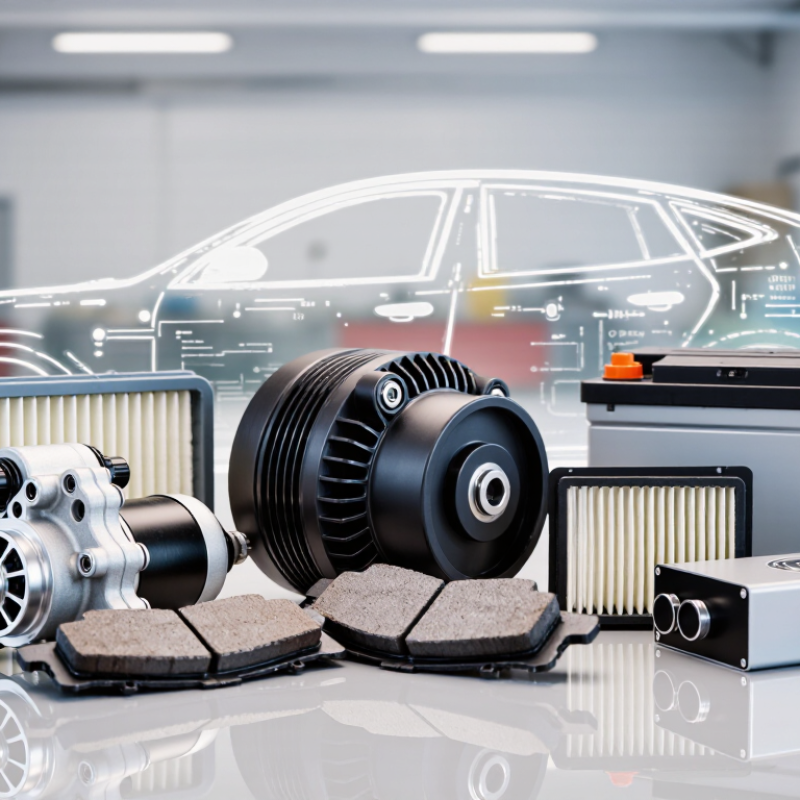
In 2026, an auto parts warranty usually covers defects in materials and workmanship. It may provide repair, replacement, or a partial refund. Coverage often begins on the purchase date or installation date. The exact starting point matters. Keep the invoice, installation record, and vehicle details together.
Coverage sounds simple. It rarely is.
Most warranties exclude normal wear, accidental damage, incorrect installation, and neglected maintenance. Brake pads, filters, belts, and similar items may have limited protection because they naturally wear down. Some policies also exclude commercial use, racing, water damage, or modifications. A failed part does not automatically prove a manufacturing defect.
Labor coverage deserves careful attention. One warranty may pay for the replacement part only. Another may include reasonable diagnostic or installation costs. Towing, rental vehicles, and related damage often remain the owner’s responsibility. Ask about these expenses before approving repairs. It can prevent an unpleasant surprise.
Technicians usually inspect the failed component before approving a claim. They may check mileage, service records, installation methods, and maintenance history. Digital receipts can help, but they may not replace required proof of professional installation. Terms can also vary between the seller and the part manufacturer. That distinction is easy to miss.
I have found that unclear wording causes more frustration than short coverage periods. A longer warranty is not always broader protection. Read the exclusions, claim process, transfer rules, and time limits. If the failure seems unusual, document warning lights, noises, photographs, and repair dates. No warranty page explains every real-world failure neatly.
In 2026, an auto part’s warranty is not chosen by calendar tradition. Manufacturers set it after studying design, materials, testing results, supplier records, and expected use. A wheel bearing faces heat, water, road shock, and constant rotation. A cabin filter usually works in a gentler environment. Their warranty periods should not match. Simple point.
Engineering teams test parts under repeated loads, temperature changes, vibration, and corrosion. They compare failures from field reports and controlled trials. A part with stable test results may receive longer coverage. A part exposed to poor roads or heavy towing may receive less. Cost matters too. Manufacturers reserve money for valid claims. Longer coverage requires stronger confidence in production consistency and replacement costs. Quality inspectors also review batches, because one weak material change can alter performance.
Warranty wording often separates manufacturing defects from wear, incorrect installation, altered vehicles, and neglected maintenance. That distinction protects a fair process, but it can confuse owners. Keep receipts and installation records. Read the mileage limit, time limit, and labor terms. A technician can also check whether a failed part caused related damage. Still, warranty length is not a perfect measure of quality. Repair records sometimes show long-covered parts failing early, while shorter-covered parts perform for years. That reality deserves attention. Manufacturers refine their estimates, yet road conditions and driving habits remain difficult to predict. The industry could explain these limits more clearly.
Warranty length usually follows a part’s expected workload and failure risk. A brake rotor faces heat, friction, water, and repeated stress. A cabin filter mainly traps dust. Their materials and duties are not comparable. That difference matters.
S&P Global Mobility’s 2024 vehicle-age analysis placed the average U.S. light vehicle age at 12.6 years. Older vehicles increase demand for replacement parts, but age also changes operating conditions. Rubber seals harden. Electrical contacts corrode. Metal fatigue slowly develops. Manufacturers often give longer coverage to durable, sealed components. These may include certain suspension or drivetrain parts. Wear items usually receive shorter terms because driving style affects their lifespan heavily.
Materials also shape warranty decisions. Heat-resistant alloys can tolerate repeated thermal cycles better than lower-cost metals. Multi-layer polymers may resist oil and moisture longer than basic rubber. The 2025 J.D. Power U.S. Vehicle Dependability Study reported 190 problems per 100 vehicles after three years. That figure shows how complex modern systems remain, even with improved engineering. Still, a warranty is not a lifespan promise. A sensor can fail early. A carefully maintained vehicle can also outlast its coverage. Service records, installation quality, road salt, towing, and stop-and-go driving may change the real outcome. The categories are helpful, but they are not perfect.
Why Do Auto Parts Have Different Warranty Lengths in 2026?
A warranty is not a promise that every failed part receives free replacement. It reflects mileage, operating conditions, installation quality, and maintenance history. S&P Global Mobility reported that the average U.S. vehicle age reached about 12.6 years in 2024. Older vehicles often need more repairs, but age alone does not prove poor care. A commuter driving 8,000 gentle miles differs from a tow vehicle crossing dusty roads. Therefore, a wheel bearing, belt, or filter may carry different coverage periods. Shorter warranties can reflect higher wear or greater installation sensitivity.
Installation can decide coverage before the vehicle leaves the repair bay. Incorrect torque, reused seals, trapped air, or contamination may cause early failure. The Automotive Aftermarket Suppliers Association’s 2024 aftermarket report highlights technical information and installer capability as important quality factors. Maintenance records also protect the owner’s position. Keep dated invoices, mileage, part numbers, and photographs of damaged components. AAA’s 2020 Your Driving Costs study estimated maintenance, repair, and tire costs at 9.68 cents per mile. Follow service intervals, but inspect sooner after floodwater, heavy loads, or repeated short trips. Some policies exclude labor or related damage. That detail is easy to miss. A rejected claim does not automatically prove misuse; request test results and the written reason.
Typical limited-warranty terms by replacement-part category. Actual coverage varies by seller, vehicle, installation method, and maintenance records.
Heavy loads, frequent short trips, towing, extreme temperatures, and severe driving conditions can increase wear and may limit coverage.
Incorrect fitment, damaged components, skipped calibration, or improper torque can cause a claim to be rejected.
Following the vehicle service schedule, using compatible fluids, and keeping purchase and service records can help preserve warranty eligibility.
The chart uses representative industry ranges commonly seen for non-branded replacement parts; it is not a universal warranty promise.
Why Do Auto Parts Have Different Warranty Lengths in 2026?
How to Compare Warranty Terms Before Buying Auto Parts
A longer warranty does not automatically mean better value. S&P Global Mobility reported that the average U.S. light vehicle age reached 12.6 years in 2024. Older vehicles often need replacement parts, but their operating conditions vary widely. Compare coverage against your expected mileage, not only the number of months.
Read the warranty beside the product specifications. Check whether coverage includes parts, labor, shipping, and diagnostic costs. Look for exclusions involving corrosion, racing, commercial use, incorrect installation, and normal wear. Some warranties cover manufacturing defects only. Others offer limited replacement coverage after a claim. The Federal Trade Commission advises consumers to review written warranty terms and understand required maintenance records. Keep invoices, installation receipts, and service dates together.
Calculate the practical value. A 36-month warranty with no labor support may cost more than a 24-month warranty with clearer claim service. The 2024 Auto Care Association Factbook highlights the aftermarket’s continued growth, making warranty comparison increasingly important for repair decisions. I once chose a longer warranty without checking mileage limits. That was a mistake. The part failed within the time limit but exceeded its mileage cap. Ask one uncomfortable question: who pays when the part fails? A careful seller should answer in writing. Warranty language can still be confusing, and my comparison method is not perfect. That is exactly why screenshots and written confirmations matter.
| Auto Part Category | Typical Warranty Length | What Is Usually Covered | Common Exclusions | Evidence Often Required | Key Comparison Point |
|---|---|---|---|---|---|
| Brake Pads and Shoes | Limited lifetime or 12–36 months | Manufacturing defects and, in some programs, replacement of worn friction material under stated conditions. | Normal wear, improper bedding, contaminated friction material, racing, towing beyond vehicle limits, and damaged rotors or drums. | Proof of purchase, vehicle details, installation record, and photographs or inspection results. | Check whether “lifetime” means free replacement only, reimbursement of labor, or a prorated credit. |
| Brake Rotors and Drums | 12–36 months | Cracks, casting defects, excessive runout, or other manufacturing defects during the coverage period. | Normal corrosion, overheating, resurfacing, incorrect wheel installation, impact damage, and uneven installation surfaces. | Proof of purchase, installation documentation, measurements, and sometimes a mechanic’s inspection. | Compare coverage for machining, replacement labor, and damage caused by related brake components. |
| Automotive Batteries | 24–60 months | Failure to hold a charge or internal defects during the stated free-replacement or replacement-and-prorated periods. | Deep discharge, incorrect charging, parasitic electrical drain, freezing, physical damage, and use in an unsuitable application. | Battery test report, proof of purchase, vehicle application, and date code or serial information. | Separate the free-replacement period from the later prorated-credit period; they are not equivalent. |
| Alternators and Starters | 12–36 months | Internal electrical or mechanical defects under normal vehicle use. | Incorrect wiring, low battery voltage, jump-start damage, fluid contamination, overloading, and installation errors. | Proof of purchase, charging or starting-system test results, and installation details. | Determine whether diagnosis, towing, labor, and related electrical damage are excluded. |
| Water Pumps | 12–36 months or mileage-limited | Defective bearings, seals, impellers, or castings when installed and maintained correctly. | Improper coolant, overheating, corrosion, incorrect belt tension, reused gaskets, and failure to replace related components when required. | Cooling-system service records, coolant information, installation invoice, and failure photographs. | Check whether the warranty requires replacement of the timing belt, tensioner, gasket, or coolant at the same time. |
| Shock Absorbers and Struts | 12–36 months or limited lifetime | Oil leakage caused by manufacturing defects, failed seals, or defective internal components. | Normal wear, bent suspension parts, overloaded vehicles, off-road use, corrosion, and incorrect installation. | Proof of purchase, alignment or suspension inspection, and installation record. | Confirm whether the term applies to the original purchaser only and whether labor is excluded. |
| Wheel Bearings and Hub Assemblies | 12–36 months or mileage-limited | Premature bearing noise, looseness, seal failure, or manufacturing defects. | Improper torque, impact from potholes, damaged steering components, contaminated grease, and incorrect installation tools. | Installation invoice, torque information, diagnostic report, and vehicle mileage. | Compare mileage limits, coverage for ABS sensors included in the assembly, and labor reimbursement rules. |
| Electronic Sensors and Control Modules | 12–24 months | Internal electronic defects or failure to operate according to the part specification. | Voltage spikes, water intrusion, incorrect programming, wiring faults, diagnostic misidentification, and modified vehicles. | Diagnostic trouble codes, test results, programming confirmation, and proof of correct application. | Verify whether software programming, calibration, coding, and diagnostic labor are covered separately. |
| Air-Conditioning Compressors | 12–36 months | Defective compressor components, clutch failure, or internal leakage when the system is serviced correctly. | Insufficient flushing, incorrect refrigerant or oil, system contamination, debris from a failed compressor, and improper belt tension. | Installation invoice, refrigerant and oil specifications, system-flush record, and pressure-test results. | Check whether the warranty requires replacement of the receiver-drier, expansion device, or system filter. |
| Remanufactured Engines and Transmissions | 12–36 months or mileage-limited | Specified internal component defects, workmanship problems, and covered leaks during the stated period. | Incorrect fluids, overheating, improper break-in, towing beyond limits, missed maintenance, modifications, and installation-related damage. | Installation invoice, maintenance records, fluid and filter receipts, mileage logs, and required break-in documentation. | Read core-return rules, labor limits, consequential-damage exclusions, and whether coverage is parts-only or parts-and-labor. |
| Clutch Kits and Flywheels | 12–24 months | Manufacturing defects in the clutch disc, pressure plate, release bearing, or flywheel where listed. | Normal wear, driver abuse, overheating, oil contamination, improper adjustment, resurfacing errors, and competition use. | Installation invoice, flywheel measurements, adjustment details, and inspection photographs. | Distinguish defect coverage from wear coverage and check whether removal and reinstallation labor is excluded. |
It usually covers defects in materials or workmanship. Possible remedies include repair, replacement, or a partial refund. Coverage often begins on purchase or installation. Check the exact date.
Keep the invoice, vehicle details, installation record, and service history together. Digital receipts may help. They may not prove professional installation.
Usually, no. Brake pads, filters, belts, and similar parts naturally wear down. Their coverage may be limited or excluded. Driving habits matter.
Not always. Some plans cover only the replacement part. Others may cover reasonable diagnosis or installation costs. Towing, rentals, and related damage often remain your responsibility. Ask before repairs begin.
A technician may inspect the failed component, mileage, service records, and installation method. Warning lights, unusual noises, photographs, and repair dates can support your claim. A failed part does not automatically prove a manufacturing defect.
Warranty length reflects workload, materials, testing results, and expected failure risk. A wheel bearing faces heat, water, vibration, and road shock. A cabin filter works in a gentler environment. Their coverage should differ.
No. A longer term reflects expected risk and claim costs, not guaranteed performance. A covered part can fail early. A shorter-covered part may last for years. That feels unfair, sometimes.
Road salt, towing, stop-and-go traffic, moisture, and poor maintenance can change part performance. Rubber seals may harden. Electrical contacts can corrode. Some policies exclude damage linked to these conditions.
Review exclusions, mileage limits, time limits, transfer rules, labor terms, and the claim process. Compare seller terms with manufacturer terms. Wording can be unclear, so ask specific questions.
Why do auto parts have different warranty lengths? In 2026, warranty coverage generally explains which defects, failures, or performance problems are eligible for repair, replacement, or reimbursement, as well as the time and mileage limits that apply. Manufacturers set different terms by considering the part’s design, materials, manufacturing complexity, expected lifespan, and typical operating conditions. A durable component intended for long-term service may receive broader coverage, while a high-wear item may have a shorter warranty because its condition naturally changes through regular use.
Warranty coverage can also depend on correct installation, proper maintenance, vehicle compatibility, and driving conditions. Improper fitting, neglect, modifications, or unusually demanding use may reduce or exclude protection. Before buying, consumers should compare the warranty period, mileage limit, covered defects, exclusions, return procedures, labor coverage, and documentation requirements. Reading these details alongside the part’s expected service life helps buyers choose products with realistic protection and avoid misunderstandings after installation.

OLO Auto Parts