Explore our high-performance components engineered for maximum reliability, compliance, and structural integrity across diverse vehicle models.

Established in 2003 and strategically situated in the global industrial hub of Taizhou, China, Taizhou OLO Auto Parts Co., Ltd. has evolved into an industry benchmark for premium automotive component design, manufacturing, and distribution. Taizhou serves as a critical weathervane for the international auto parts market, driving engineering innovations and scale dynamics that influence distributors globally.
Our core competence resides in Korean vehicle platforms (Hyundai, Kia), where we combine traditional manufacturing mastery with a highly professional network for global wholesale and retail distribution. Driven by our philosophy of "integrity, win-win, professional, and sharing," our brand, OLO, has achieved massive recognition across five continents, supported by a specialized network of dedicated agents, distributors, and collaborative manufacturers.
"To be a true 'good auto parts person' requires an uncompromising stance on safety, manufacturing precision, and materials science. We bridge the gap between heavy industrial output and precise local applications."
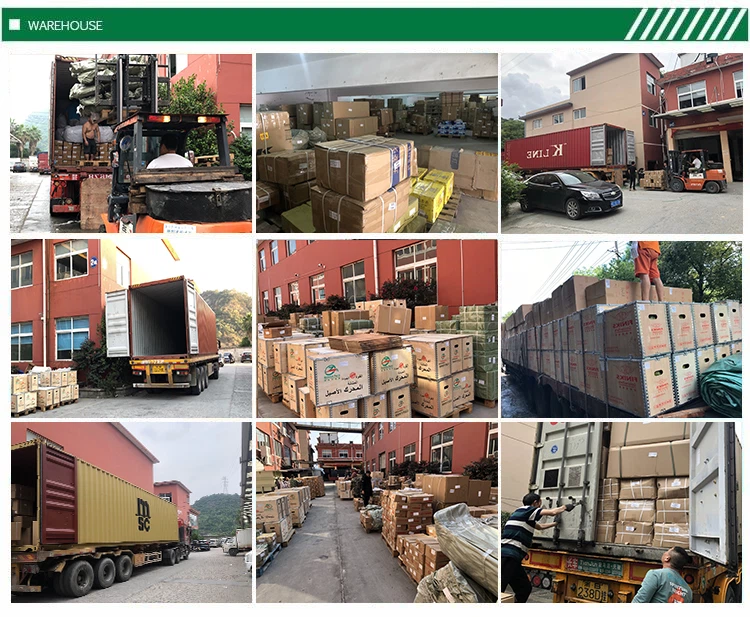
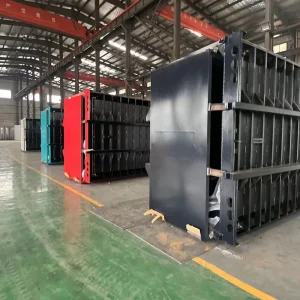
Taizhou OLO Headquarters and Operations Center
Solving extreme heat, thermal dissipation, kinetic friction degradation, and NVH parameters for modern high-velocity and commercial transportation systems.
Utilizing high-thermal conductivity phenolic binders and slotted designs to mitigate structural stress, avoiding thermal cracking under repetitive severe stopping cycles.
Integrated multi-layer elastomer steel shims dampening high-frequency vibrations before they convert to audible brake squeal, delivering noise-free operation.
Formulated to achieve stable Friction Classification Class "GG" under standard SAE J661 protocols, maintaining stopping power from cold starts to hot runs.
The international friction materials market is shifting toward long-lasting, environmentally friendly alternatives due to stringent environmental regulations and changing heavy-duty commercial logistics patterns. Manufacturers in China have moved past low-cost components to lead in technical innovation, quality control, and compliance. Modern friction manufacturing facilities in China utilize automated positive moulding machines, high-precision slotting, chamfering, and scorching ovens to achieve superior quality.
China’s advanced industrial parks, specifically in manufacturing hubs like Zhejiang and Jiangsu, provide critical raw materials (such as Kevlar fibers, premium graphite, modified phenolic resins, and advanced ceramic fibers) that minimize variation between production batches. This close integration allows manufacturers like Taizhou OLO to satisfy large-scale OEM demands while maintaining the flexibility to manufacture custom friction specifications for specific regional markets.
Choosing the right friction material depends on the mechanical stress, environmental conditions, and noise requirements of the application. The three main material classifications are detailed below:
| Friction Formulation | Key Elements | Friction Range (μ) | Thermal Degradation Point | Ideal Application Scenario |
|---|---|---|---|---|
| Ceramic (Copper-Free) | Ceramic fibers, non-ferrous fillers, synthetic elastomer modifiers | 0.36 – 0.45 | Up to 650°C | Premium passenger cars, Electric Vehicles (EVs), luxury commuters demanding ultra-low dust. |
| Low-Steel / Low-Metallic | Small fraction of steel fiber, organic binders, mineral fibers | 0.38 – 0.48 | Up to 700°C | High-speed European passenger cars, requiring reliable friction at high velocities. |
| Semi-Metallic (Heavy Duty) | 30% to 65% steel wool, copper powder, iron powders | 0.40 – 0.52 | Up to 800°C | Commercial fleet vehicles, long-haul trailers, agricultural and mining equipment. |
For international distributors and wholesalers importing into Europe or the Americas, meeting safety standards is essential. Our friction products undergo strict ECE R90 testing protocols. Under ECE R-90, replacement brake pads must perform within 15% of the original equipment (OE) parts. This is verified through dyno testing that measures cold performance, high-speed sensitivity, and speed-density relationships.
In North America, our formulations comply with FMVSS 135 and SAE J661 (Chase testing), ensuring safe braking in cold and hot conditions. Environmental regulations like the Better Brakes Rules mandate a transition to zero-copper formulations (less than 0.5% copper by weight) to reduce marine toxicity.
High-volume manufacturing requires professional logistics integration. Taizhou OLO operates specialized supply chain divisions that provide full traceability from initial raw materials to the finished boxes. We offer custom branding (OLO or OEM branding) with barcode labeling, shrink wrapping, and impact-resistant outer cartons designed for sea and air transport.
Our close proximity to Ningbo and Shanghai ports ensures fast customs clearance and lower shipping costs. We maintain buffer stocks for contracted distributors to reduce lead times to less than 15 days for standard parts.
Providing specialized friction formulations matched to different vehicle dynamics, load profiles, and driver preferences.
Formulated for the unique challenges of regenerative braking. Special anti-corrosion materials prevent surface glazing and rust build-up from low mechanical brake usage.
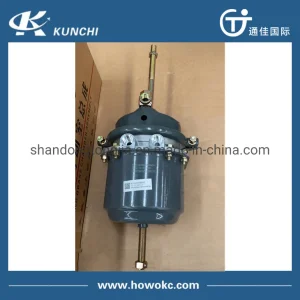
Engineered for high-temperature durability, high load capacity, and compatibility with heavy-duty air brake systems, such as Sinotruk HOWO and Shacman platforms.
Prioritizes occupant comfort with a focus on noise-free performance, minimal brake dust, and a smooth pedal feel for daily city driving.
High-friction compounds designed for mining winches, wind turbines, and industrial machinery where heavy-duty stopping and high torque are constant demands.
The future of brake technology is defined by environmental sustainability, digitization, and safety integration. Taizhou OLO Auto Parts continues to innovate by developing next-generation friction solutions to meet these emerging challenges.
Researching bio-resins and natural silicate fibers to replace petroleum-based phenolic resins. This reduces carbon emissions during production and produces non-toxic wear dust.
Developing smart wear indicators with embedded micro-sensors. These communicate real-time temperature, wear levels, and shear stress directly to the vehicle's ECU or fleet management system.
Answers to technical questions from global procurement managers, automotive engineers, and supply chain partners.
Brake pad shear strength is tested under the ISO 6312 standard. This test applies a constant lateral force to the friction material until it shears away from the steel backing plate. High-quality heavy-duty pads must maintain a minimum shear strength of 2.5 N/mm² to prevent material separation under extreme braking loads.
We combat heat fade by using high-purity synthetic graphite and aramid fibers in our OLO formulations. This helps dissipate thermal energy quickly. Scorching the pad surface at 600°C during manufacturing pre-cures the top layer of friction material. This prevents gas build-up and maintains pedal feel during break-in.
The European market requires ECE R90 certification, which ensures aftermarket parts perform close to OEM specifications. For the US market, parts must comply with state laws banning copper in friction materials. Formulations must be registered under NSF or AMECA, showing low-copper (leaf mark B) or copper-free (leaf mark N) ratings.
Yes, we formulate high-friction materials (from 0.45 to 0.55 μ) specifically for industrial applications. These materials are engineered for heavy machinery, winches, and off-highway commercial equipment to provide reliable stopping power under heavy, continuous loads.
Sincerely look forward to your cooperation
Heavy duty components designed for fleet performance, safety standards, and challenging driving conditions.
 OLO Auto Parts